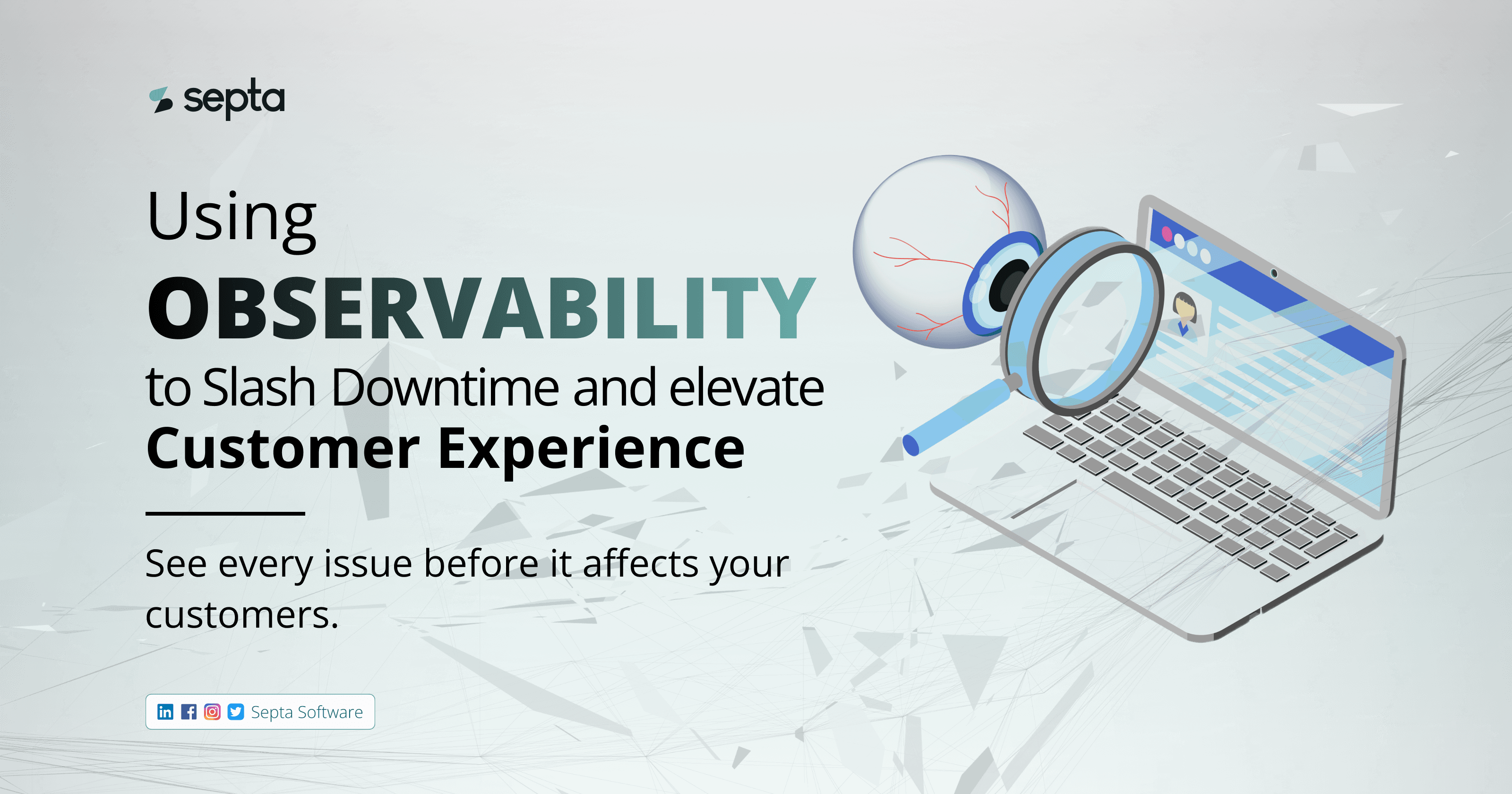
Using Observability to Slash Downtime and Elevate Customer Experience
Why Observability Is No Longer Optional
Downtime is expensive. According to industry research, the average cost of IT downtime can range from thousands to millions of dollars per hour depending on the size of the business. But beyond the financial hit, downtime erodes trust, frustrates customers, and can send users directly into the arms of competitors. Traditional monitoring alone can’t keep up with today’s complex, cloud-native systems. That’s where observability comes in. By giving teams deeper visibility into system behavior, observability helps businesses slash downtime and deliver the seamless experiences customers now expect.
What Is Observability (and How It Differs from Monitoring)
At its core, observability is the ability to understand the internal state of a system by analyzing its external outputs, logs, metrics, and traces. Monitoring is about tracking known issues and metrics, while observability goes deeper, enabling teams to uncover unknown problems you don’t even know to look for yet. In short, monitoring tells you what is wrong, while observability helps you understand why it’s happening. That distinction is critical for fast-moving DevOps and product teams.
The True Cost of Downtime
Downtime hurts more than just IT teams, it affects the entire business. Revenue losses: E-commerce sites lose sales every minute they’re offline. Operational disruptions: Internal teams can’t access critical systems, delaying productivity. Reputation damage: Customers expect reliability; repeated outages reduce trust and loyalty. For SaaS businesses, downtime can be particularly brutal, as customers can switch to alternatives with just a few clicks. In enterprise IT, even a few minutes of disruption can ripple across global operations.
How Observability Slashes Downtime
Observability helps organizations shrink downtime windows by enabling real-time detection of anomalies so issues are spotted immediately rather than after users complain. It allows for faster root-cause analysis, with logs, metrics, and traces connected, teams can trace problems across distributed systems quickly. It also provides predictive insights, where advanced observability platforms leverage machine learning to flag potential outages before they impact users. The result: faster recovery times, fewer disruptions, and lower costs.
Elevating Customer Experience Through Observability
In the digital age, customer experience (CX) and system reliability are inseparable. Every slow page load, failed transaction, or app crash is a CX failure. Observability ensures that performance issues are caught and resolved before they reach customers. Faster recovery means users spend less time frustrated and more time engaged. Businesses that embrace observability often see improved Net Promoter Scores (NPS) and stronger customer loyalty. One SaaS company, for example, reduced its mean time to recovery (MTTR) by 40% after implementing an observability platform. The result? Happier customers, fewer support tickets, and higher retention rates.
Choosing the Right Observability Tools
Not all tools are created equal. When evaluating platforms, DevOps and product teams should look for core features like metrics, logs, traces, dashboards, and alerting. They should also consider scalability, can it handle increasing system complexity? Cost efficiency, does it balance features with budget? And ecosystem fit, does it integrate well with CI/CD pipelines, cloud providers, and collaboration tools? Organizations must also decide between open-source options for flexibility and enterprise-grade platforms for robust support and scalability.
Implementing Observability in Your Organization
Adopting observability isn’t just a tooling exercise, it’s a cultural shift. Best practices: start small with key systems, then expand coverage. Build a culture of proactivity: empower teams to look beyond alerts and investigate patterns. Avoid pitfalls: over-alerting, lack of ownership, and failing to align observability goals with business outcomes. Companies that embed observability into their development and operations processes often see a dramatic reduction in downtime and a measurable boost in customer satisfaction.
Conclusion: Observability as a Growth Driver
Observability isn’t just a technical necessity, it’s a business strategy. By slashing downtime and ensuring a frictionless digital experience, observability directly impacts revenue, customer trust, and long-term growth. If your organization is serious about improving reliability and elevating customer experience, now is the time to make observability a core part of your strategy.
At septa software, we help businesses implement observability solutions that minimize downtime, improve system performance, and create exceptional user experiences.
Ready to transform downtime into uptime and turn customer trust into loyalty? Let’s talk about how we can help you implement observability in your systems. visit www.septasoftware.com to get started