Why Workflow Automation Is Essential for Business Success in 2025
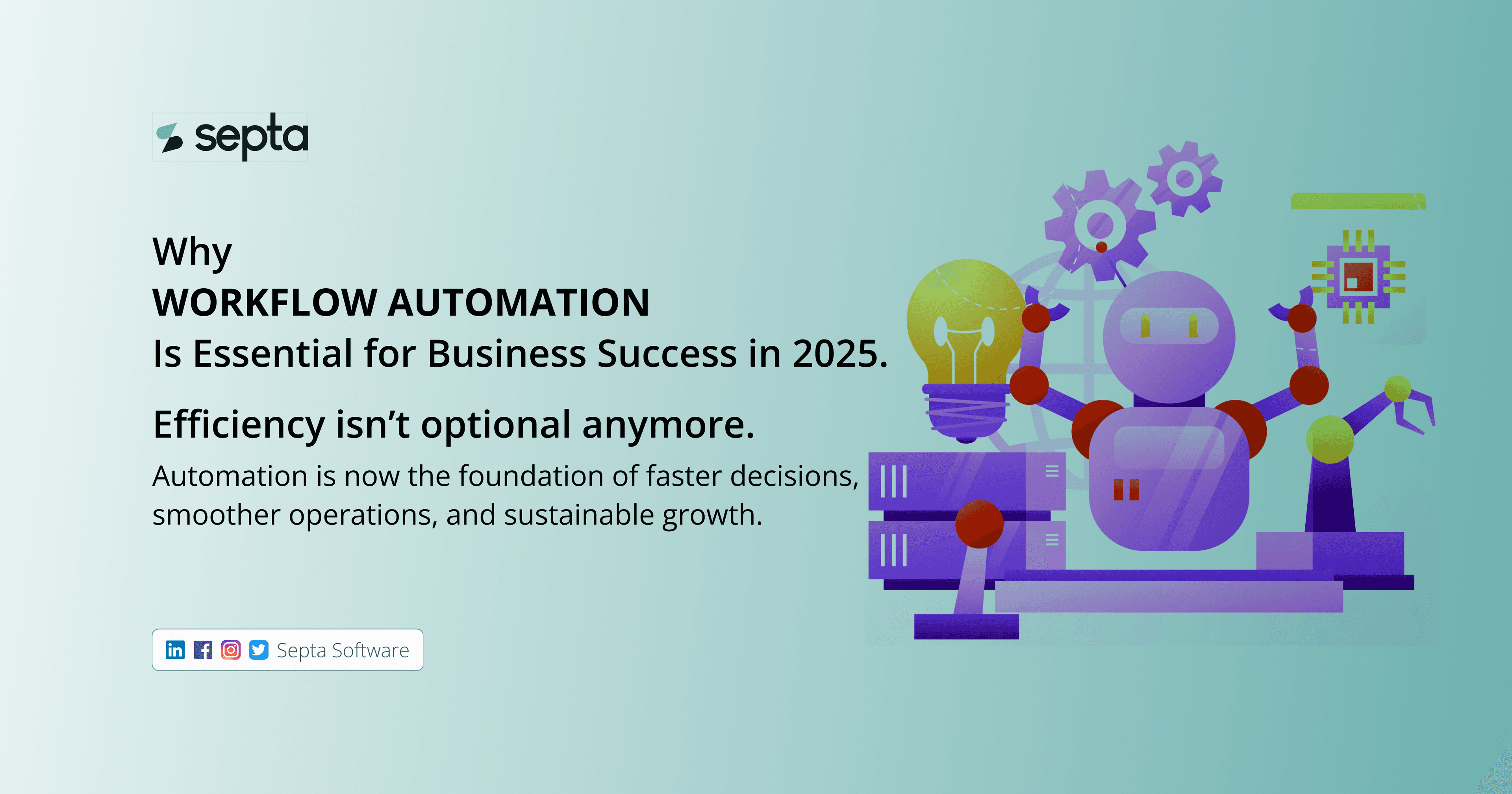
In today’s hyperconnected economy, efficiency isn’t a luxury, it’s the foundation of competitiveness. Businesses are being pushed to operate faster, make smarter decisions, and deliver more with fewer resources. That’s why workflow automation has become one of the most transformative forces shaping modern business in 2025.
Whether you’re a startup scaling rapidly or an enterprise optimizing performance, automation is no longer a choice, it’s the engine driving sustainable growth and operational excellence.
What Is Workflow Automation (and Why It Matters Now)
Workflow automation is the use of technology to streamline and optimize repetitive tasks, reducing manual work and human error. It ensures that day-to-day business operations from employee onboarding to invoice approvals happen seamlessly, consistently, and in less time.
What’s different in 2025 is the level of intelligence automation brings. With AI, low-code platforms, and cross-platform integrations, businesses can now connect tools, data, and people effortlessly. Automation has evolved from simply “doing tasks faster” to “helping teams think, decide, and act smarter.”
The State of Business Efficiency in 2025
According to Gartner, by 2026 30% of enterprises will automate more than half of their network activities.
Companies that adopt automation early have already seen tangible results:
30–50% faster project delivery cycles
Stronger team morale and engagement thanks to less manual workload
The message is clear: automation is no longer about convenience, it’s a key driver of productivity, resilience, and competitiveness.
Core Benefits of Workflow Automation
1. Improved Productivity Automation eliminates repetitive work, allowing teams to focus on high-value activities like strategy, creativity, and customer experience. It creates more space for innovation.
2. Cost Efficiency When businesses automate, they minimize manual inefficiencies that drain time and budgets. Over time, this translates to major savings and higher profit margins.
3. Accuracy and Consistency Automation ensures that every task from reporting to approvals follows a standardized process, reducing the risk of human error and increasing reliability.
4. Enhanced Collaboration With connected systems, teams can communicate and execute workflows effortlessly across departments. Marketing, HR, finance, and operations stay aligned in real time.
5. Actionable Insights Automation platforms collect valuable data on workflows, cycle times, and performance metrics giving business leaders the visibility they need to make informed decisions faster.
Real-World Use Cases Across Industries
Marketing: Automation tools manage campaigns, analyze engagement, and personalize outreach. Imagine your email sequences, social posts, and CRM updates all syncing automatically.
Human Resources: From recruitment to onboarding, HR automation improves speed and employee experience. It reduces manual screening and ensures smooth transitions for every new hire.
Finance: Automated invoice processing, budgeting, and report generation eliminate delays and ensure compliance freeing finance teams to focus on forecasting and growth strategies.
Operations: In logistics, procurement, or product delivery, workflow automation helps track approvals, manage vendors, and monitor efficiency at scale.
From small teams to large enterprises, SeptaSoftware designs automation systems that replace manual tasks with intelligent, hands-free workflows so teams work faster, with fewer errors, and far less operational stress.
How to Get Started with Workflow Automation
1. Audit Your Workflows Identify the repetitive, time-consuming tasks across teams that are ripe for automation. These are usually processes involving approvals, notifications, or data entry.
2. Select the Right Tools Look for solutions that integrate with your existing stack. Platforms like Zapier, Asana, Trello, Notion, and Septasoftware offer flexible options for scaling automation with minimal disruption.
3. Start Small and Measure Impact Begin with one process. Track time saved, accuracy improvement, and productivity gains. Use that data to expand automation confidently across departments.
4. Integrate Intelligently Automation works best when tools talk to each other. Ensure your systems connect seamlessly to avoid data silos and ensure end-to-end visibility.
5. Empower Teams, Don’t Replace Them Remember automation should enhance human capability, not eliminate it. The most successful companies use automation to enable people to do more meaningful work.
The Future of Automation Beyond 2025
We’re entering an era where automation is becoming predictive, not reactive. AI will anticipate business needs, recommend actions, and even execute decisions autonomously.
By 2026, experts predict that intelligent automation will power over 50% of all business decisions, creating agile, data-informed organizations that adapt faster than ever.
Companies that embrace this shift now will gain more than efficiency, they’ll gain foresight, agility, and long-term resilience.
The Competitive Edge
Workflow automation isn’t just a technology upgrade , it’s a strategic evolution. It drives operational excellence, improves customer experience, and unlocks innovation across every layer of your business.
If 2024 was the year of digital transformation, 2025 is the year of intelligent automation. The sooner you integrate it, the faster your business will thrive in an increasingly competitive landscape.
Ready to automate smarter, not harder? At SeptaSoftware, we build custom workflow automation solutions for organizations that want to move beyond manual processes. Our tools connect your systems, eliminate repetitive work, and give teams the freedom to focus on high-impact tasks. Visit www.septasoftware.com to get started